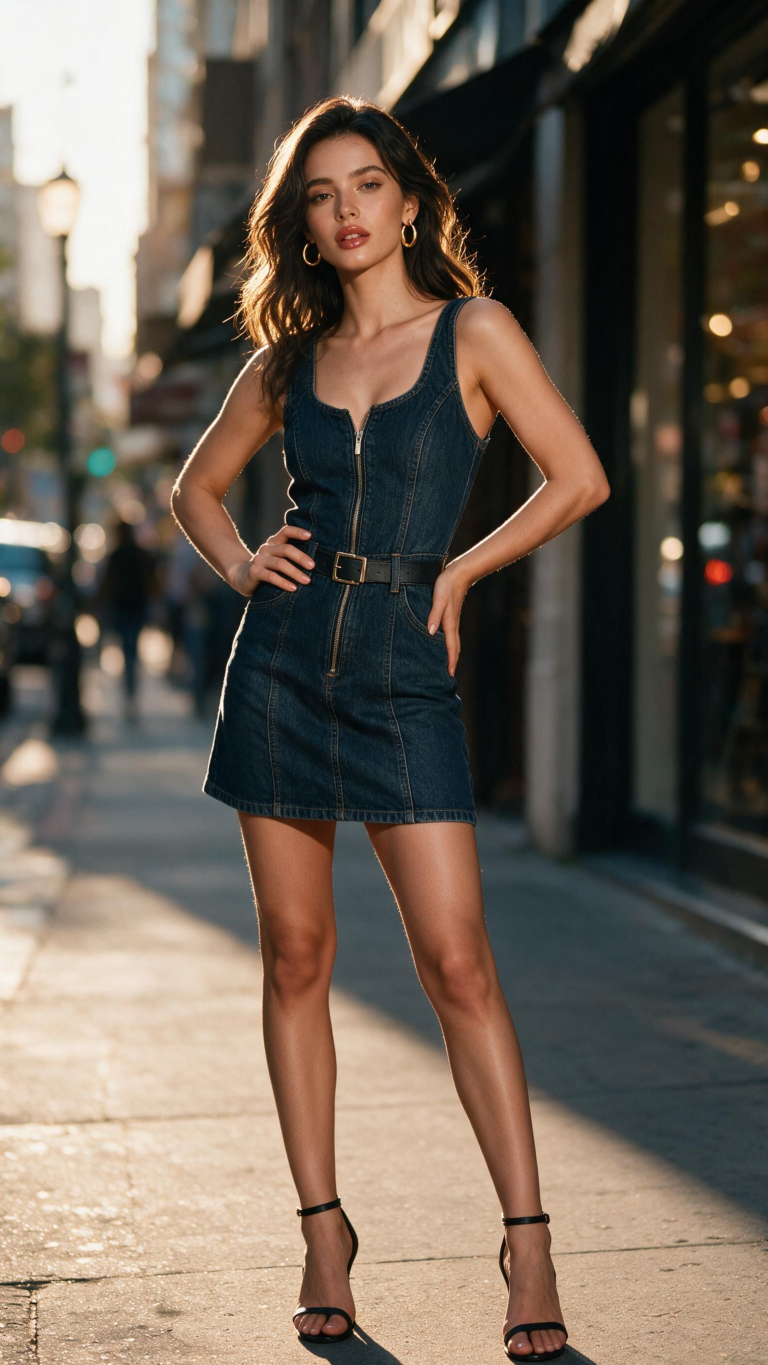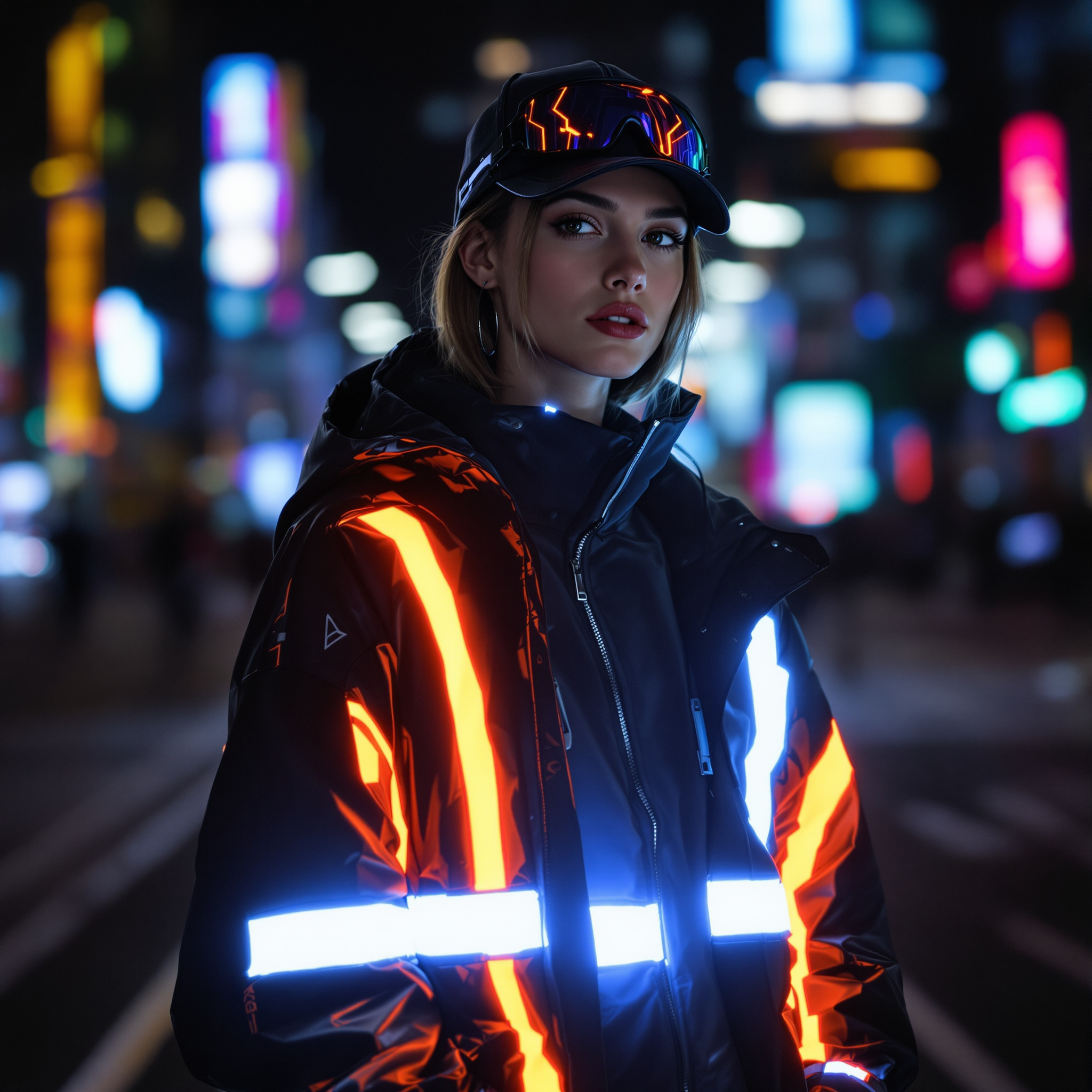

Hey fashion geeks, it’s your girl Aria. Let’s talk about the secret love story happening in your closet: science and streetwear. Because yes, your hoodie is basically a tiny wearable lab experiment, and your favorite reflective jacket is straight-up physics flexing in public. We like to pretend fashion inspiration is all mood boards and museum trips, but a lot of what makes streetwear look cool and feel good comes from science. (Video Summary)
Designers borrow from:
- Nature (biomimicry)
- Engineering and materials science (tech fabrics)
- Math and data (patterns, fits, even pockets)
- AI and algorithms (generating prints and silhouettes)
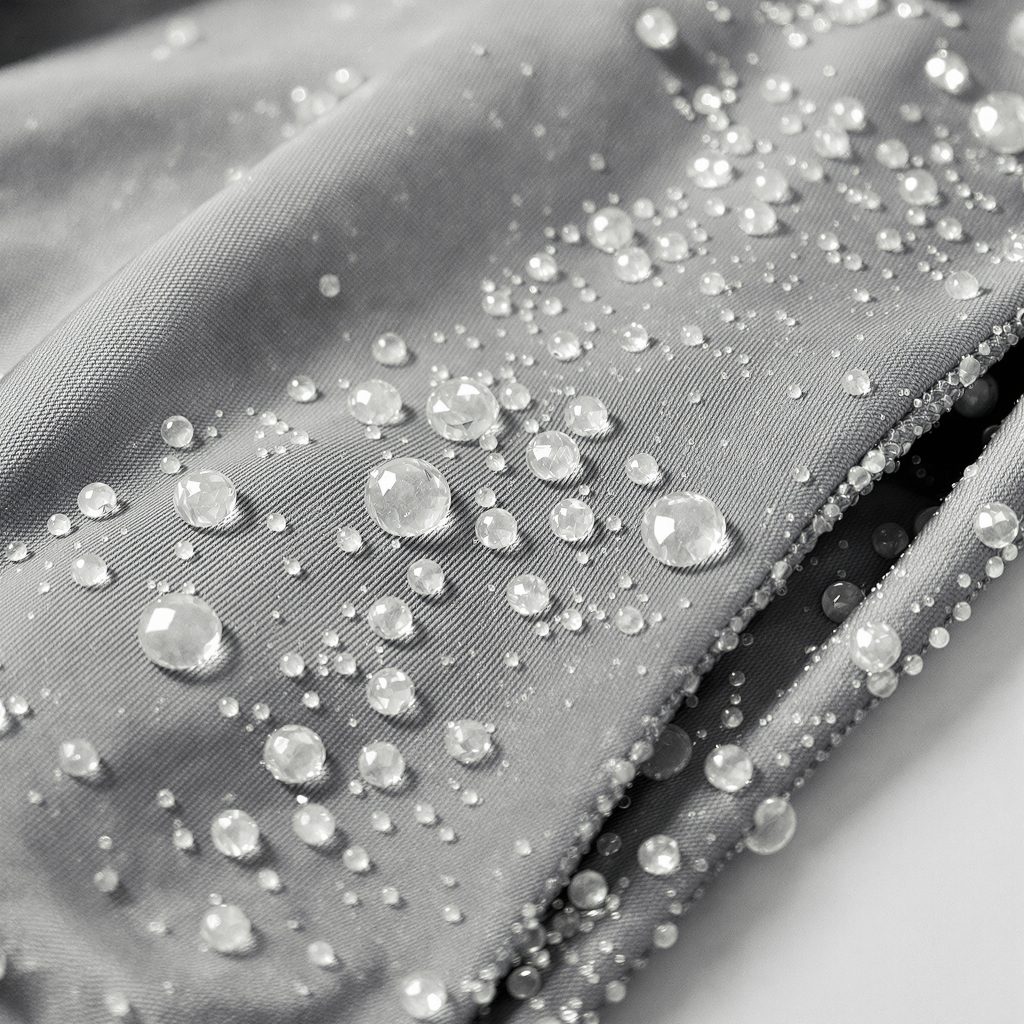
For example, some textiles mimic the way lotus leaves repel water, so fabric stays cleaner and more stain resistant. Moisture-wicking fabrics use fiber structure and capillary action to pull sweat away from your skin so it can evaporate faster. Technical streetwear often uses polyester blends, nylon, or neoprene for durability, water resistance, and a slightly futuristic vibe.
That is not just “nice fabric.” That is science doing customer service.
Patterns, Prints, and Formulas: When Math Becomes a Graphic Tee
A lot of streetwear graphics feel chaotic and artsy, but look closely and you will see:
- Grids, waves, fractals, and symmetry
- Circuit-board inspired layouts
- Constellations, molecules, equations, diagrams
Biomimicry and nature-inspired design feed into this. Designers pull ideas from spider silk, butterfly wings, and the lotus effect, turning structures and patterns from the natural world into prints, textures, and surface details. FibreGuard+2Medium+2
Then there is the nerd tee universe. Brands are using formulas, scientific icons, and STEM jokes as graphic elements, mixing science references with pop culture to create “clever, instantly recognizable” designs that appeal to people who want to show off their brain and their vibe. restontailoring.com+1
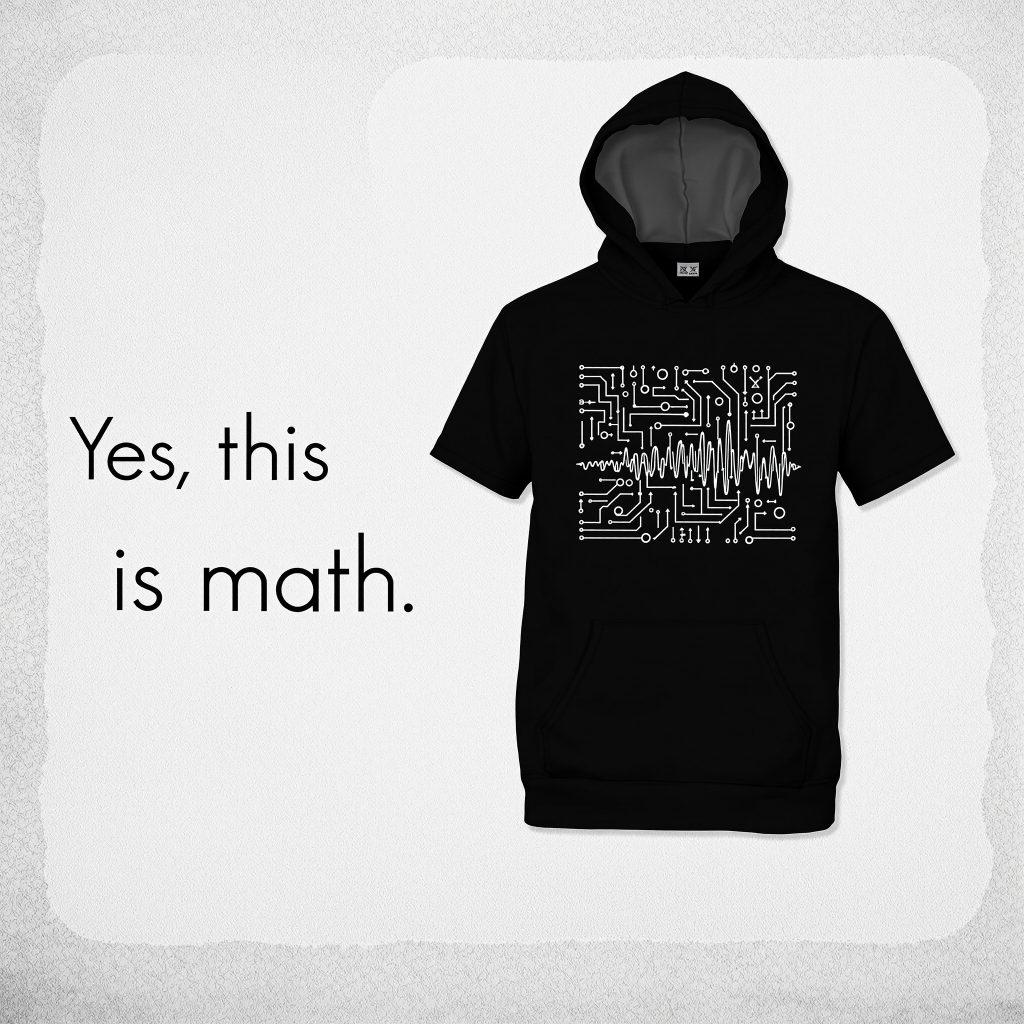
So when you throw on a hoodie with a “random” geometric print, there is a good chance the randomness is… not random. It is math with swagger.
Tech Fabrics: Streetwear Meets Lab Coat Energy
Streetwear has quietly gone full science lab with fabrics:
- Moisture-wicking knits that move sweat to the surface and dry fast so you stay cool. Fabric Wholesale Direct+1
- Reflective fabrics that use tiny glass beads or reflective elements to bounce light back, perfect for low-light city life. Mood Fabrics+1
- Recycled polyester that takes old plastic and turns it into new fabric, cutting waste and carbon footprint. bordenintl.com+1
- Performance blends like polyester, nylon, and neoprene that add strength, stretch, water resistance, and a sculpted look to hoodies, joggers, and jackets. Deepwear+1
These choices are not just about performance; they are about identity.
Wearing recycled or biomimetic fabrics is a quiet way to say, “I care about the planet, but I am not giving up looking cool.” High-visibility reflective pieces are safety gear and style statement at the same time. Tech fabrics let you run through your day, your city, or your protest without your clothes giving up before you do.
That is science and streetwear teaming up to protect your comfort, your safety, and your values.
Data, AI, and Generative Design: When Code Joins the Design Team
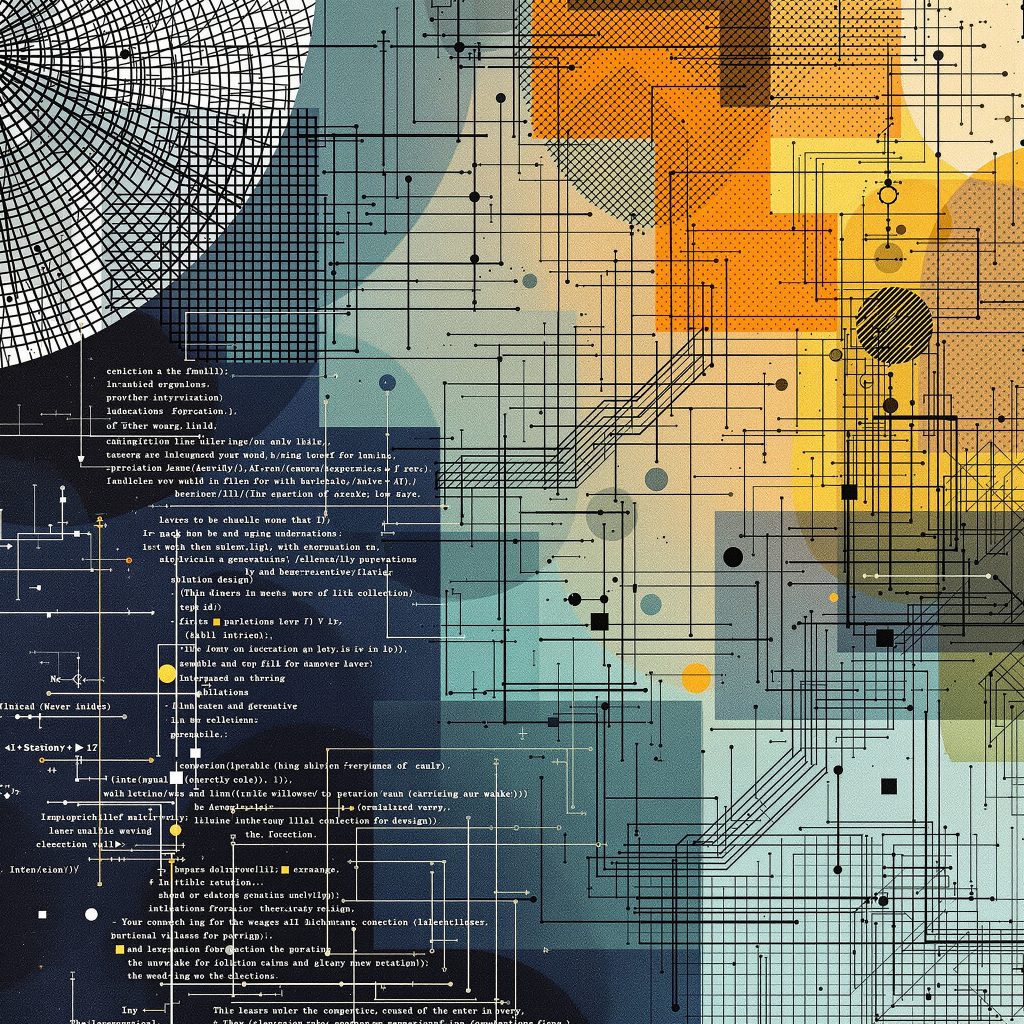
Science does not stop at fabric. It is in the design process now too.
Fashion brands and manufacturers are using AI and generative tools to:
- Analyze trends and customer behavior
- Generate new prints, textures, and silhouettes
- Speed up pattern making and 3D visualization
Generative AI can learn from huge piles of style, sales, and fit data, then create fresh pattern ideas and design variations that still feel on-brand. SG Analytics+3Wilson College of Textiles+3McKinsey & Company+3 AI-assisted pattern making can quickly adjust sizing and grading, so pieces fit more bodies with fewer production errors. Style3D AI+2AIMultiple+2
Is every AI-generated design a masterpiece? Absolutely not. Humans still have to curate, refine, and decide what actually works IRL. But the pipeline is getting more experimental because the “what if?” stage is now powered by algorithms, not just sketchbooks.
Streetwear is especially ready for this, because the whole point is pushing boundaries. AI just hands designers a bigger box of crayons.
Why This Matters For Your Closet (And Your Identity)
So, what does all this science talk mean for you when you are just trying to pick a hoodie?
It means:
- Your comfort is backed by physics and chemistry.
- Your values can show up in your fabric choices.
- Your identity can be written in patterns, symbols, and references that are way smarter than they look at first glance.
Science-inspired fashion is not only lab-themed prints or STEM dresses, although those exist and they are amazing. Svaha USA+2TrendHunter.com+2 It is also:
- The way your jacket glows under streetlights
- The way your tee wicks sweat on a hot train platform
- The way a fractal or waveform print makes you feel like chaos, but curated
When brands like o0psty lean into bold graphics, smart fabrics, and inclusive fits, they are not just chasing trends. They are quietly saying, “You deserve clothes that keep up with how complex you really are.”
You are not just wearing a look. You are wearing tiny pieces of engineering, biology, math, and code that were all pulled together so you can feel more like yourself.
Wrapping it up in Style
Science and streetwear are not opposites. They are collaborators.
Every reflective stripe, every moisture-wicking hoodie, every nerdy tee with a neuron, rocket, or formula on it is proof that the “serious” world of discovery and the “fun” world of fashion are actually on the same team.
So next time you zip up a tech jacket or throw on a graphic tee that looks suspiciously like a circuit board, give yourself a moment. You are not just getting dressed, you are putting on wearable evidence of human curiosity.
Your closet is a lab, your outfit is an experiment, and the hypothesis is always the same:
Can I be comfortable, expressive, and a little bit extra at the same time?
Spoiler: yes.
xoxo,
Aria