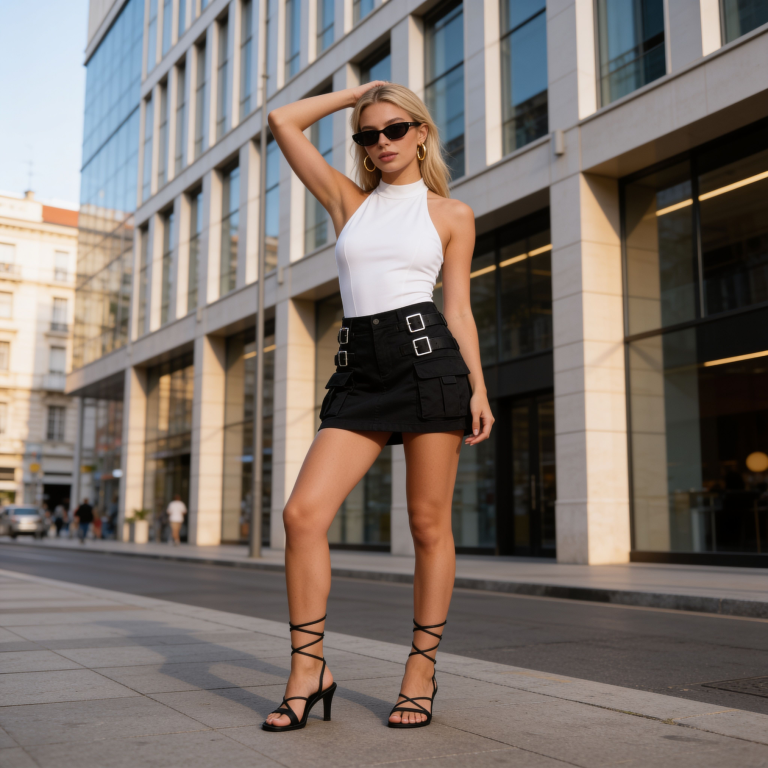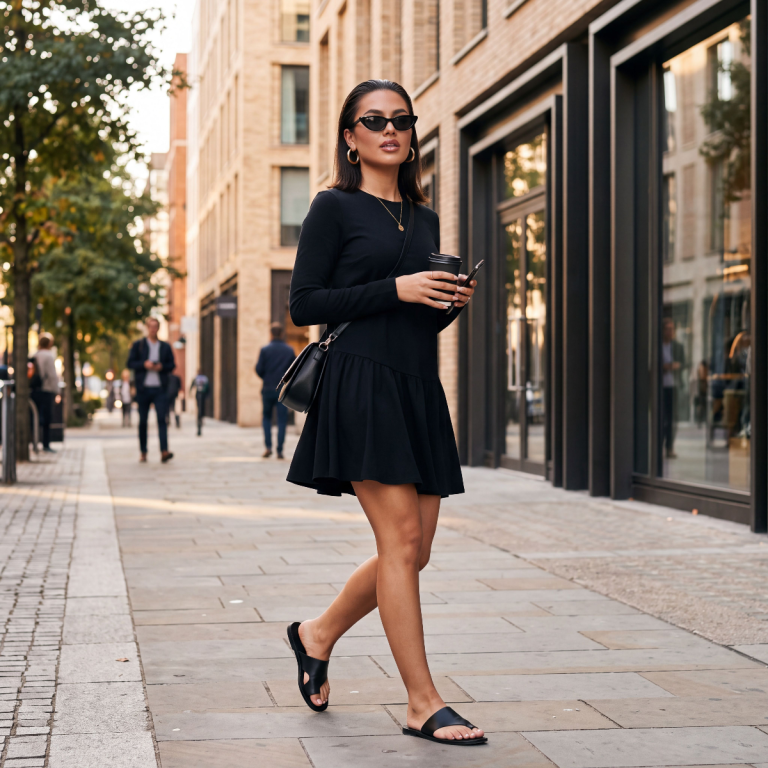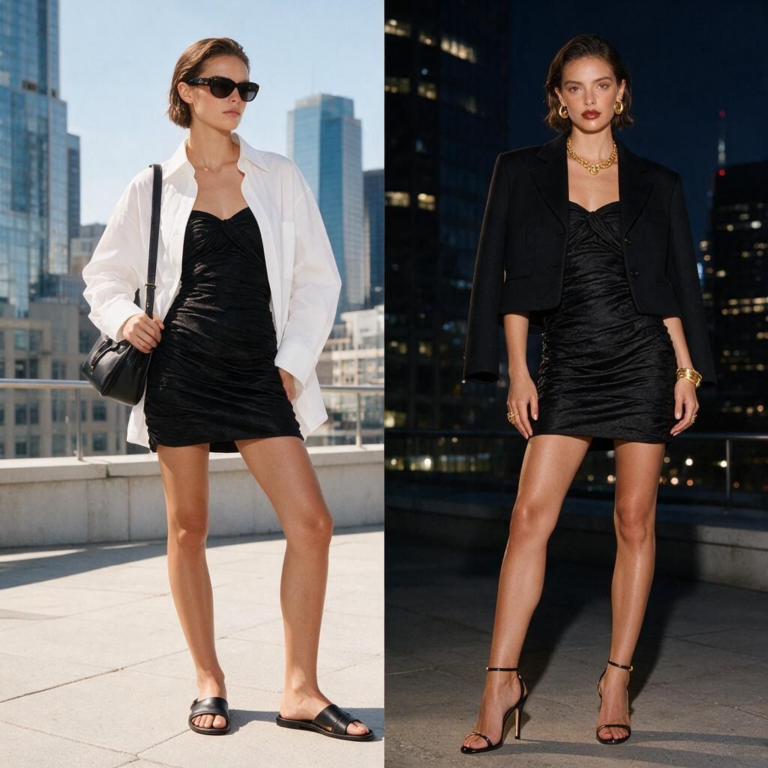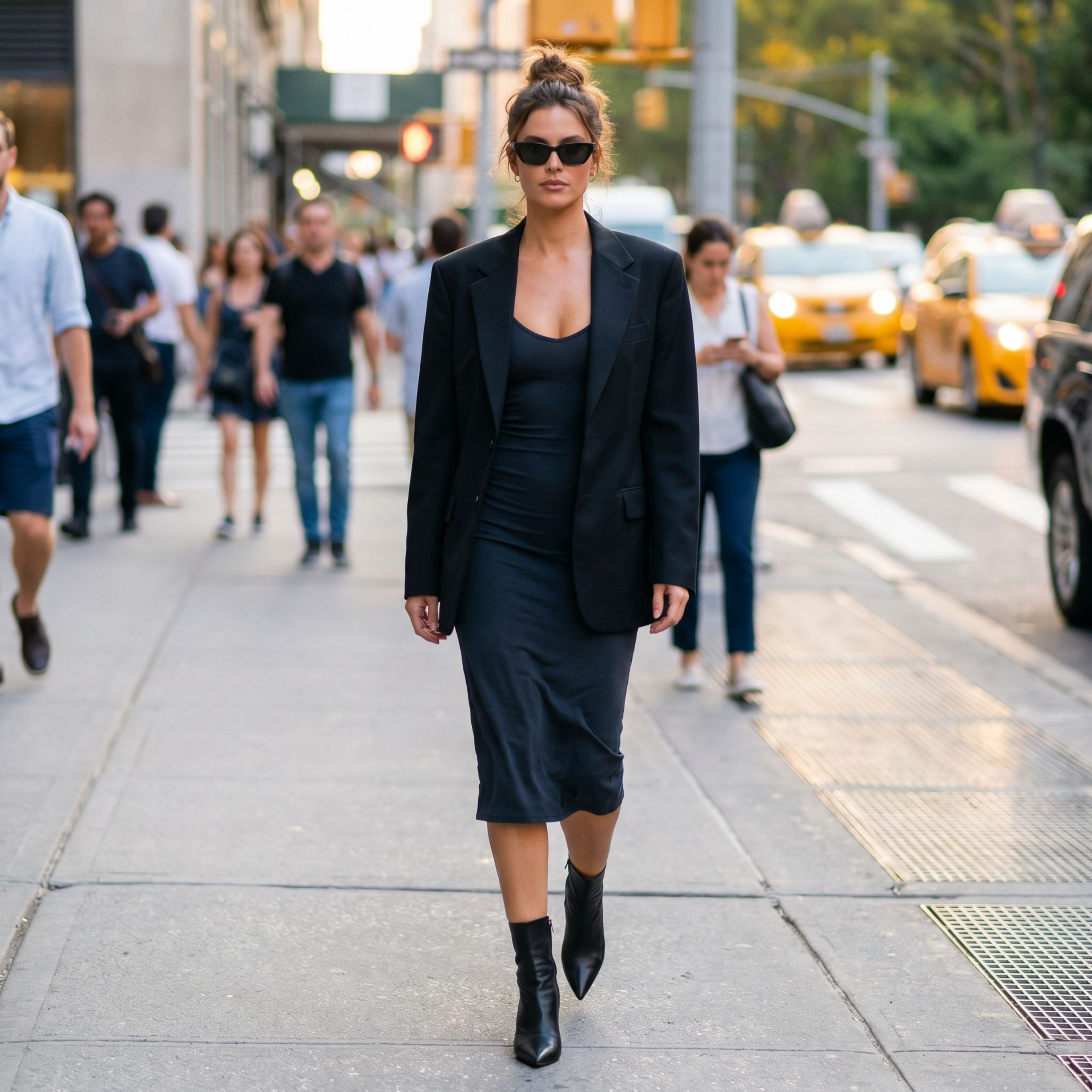

Hey, identity dressers. Let’s talk about something fashion people know in their bones, even when they cannot always explain it out loud. Clothes are never just clothes. They are mood, armor, flirtation, memory, rebellion, comfort, control, softness, confidence, and sometimes the only thing holding your whole emotional situation together before noon. (Video Summary)
That is probably why this topic feels bigger in 2026. Fashion coverage this year keeps circling back to individuality, expressive dressing, and personality-driven style after years of aesthetic sameness and hyper minimal repetition. Who What Wear has framed spring 2026 as a turn away from hype minimalism and toward dressing with more personality, while Vogue’s spring 2026 trend coverage points to clever layering, sporty silhouettes, and other styling moves that leave more room for interpretation and self-expression. (Who What Wear)
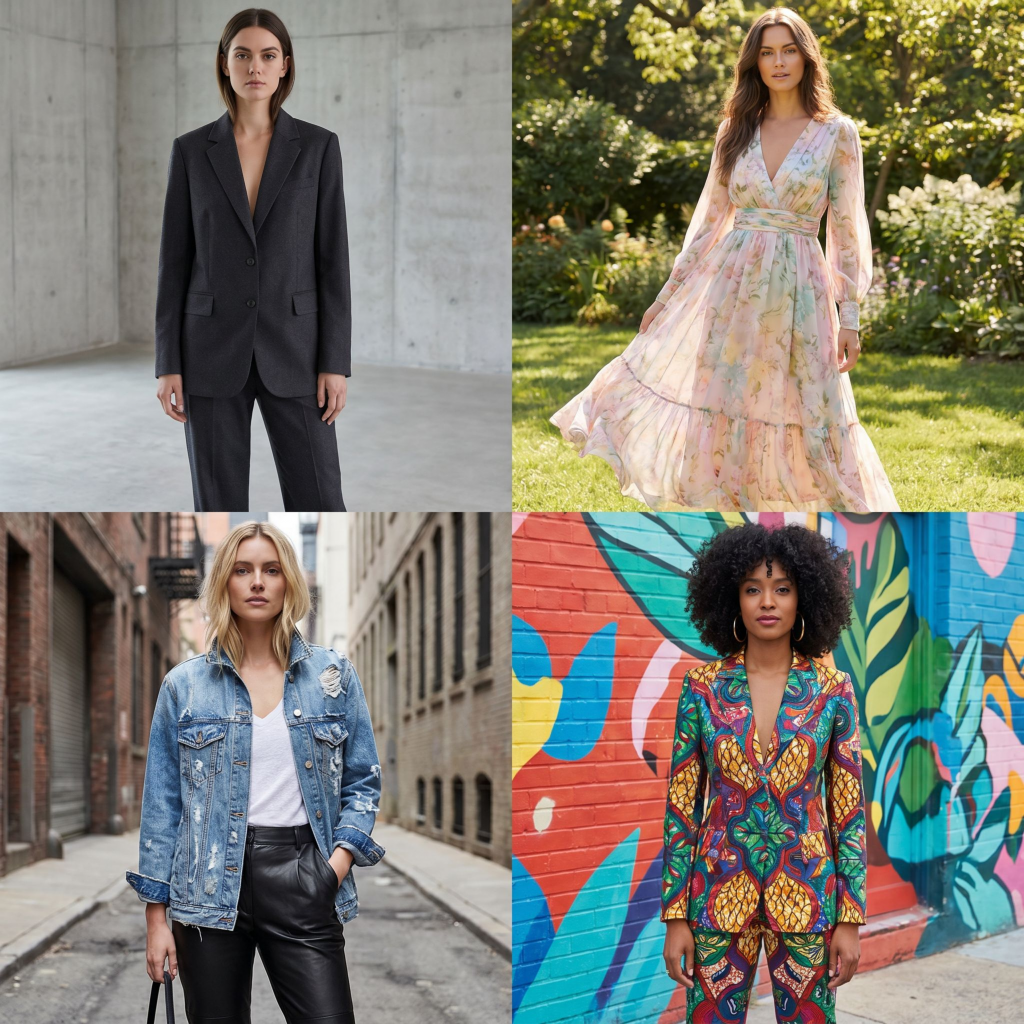
Clothing really does communicate identity
This is not just a cute fashion-girl theory. Research highlighted by Harvard found links between people’s clothing preferences and self-reported personality traits, and a 2023 review in Personality and Social Psychology Review argues that dress is a fundamental part of person perception, shaping how people read social identity, status, and aesthetics before anyone even speaks. (Harvard Gazette)
And honestly, you can feel that in real life. The right outfit does not just make you look better. It makes you feel more legible to yourself. It can make you feel sharper, softer, louder, safer, cooler, more romantic, more untouchable, or more grounded. That is why certain outfits feel strangely intimate. They are not just sitting on your body. They are translating something about you.
Your style is not random, even when it feels instinctive
Most people do not wake up saying, “Today I will express my inner contradictions through fabric.” But we kind of do that anyway. The pieces we reach for over and over usually say something about what we value, how we want to move through the world, and what version of ourselves we want to bring forward that day.
Maybe you love structured blazers because they make you feel composed and protected. Maybe you live in oversized denim and sneakers because freedom matters more to you than polish on certain days. Maybe you keep reaching for silky dresses, sheer textures, or body-skimming shapes because being visible feels honest, not performative. Vogue’s March 2026 guide to finding your style leans into exactly that idea, treating personal style less like a fixed label and more like a process of curating what genuinely feels like you. (Vogue)
That is the part I love. Personal style is not a uniform. It is a language. And like any language, it gets more interesting when it sounds like a real person instead of a trend report wearing a wig.
Color tells on you fast
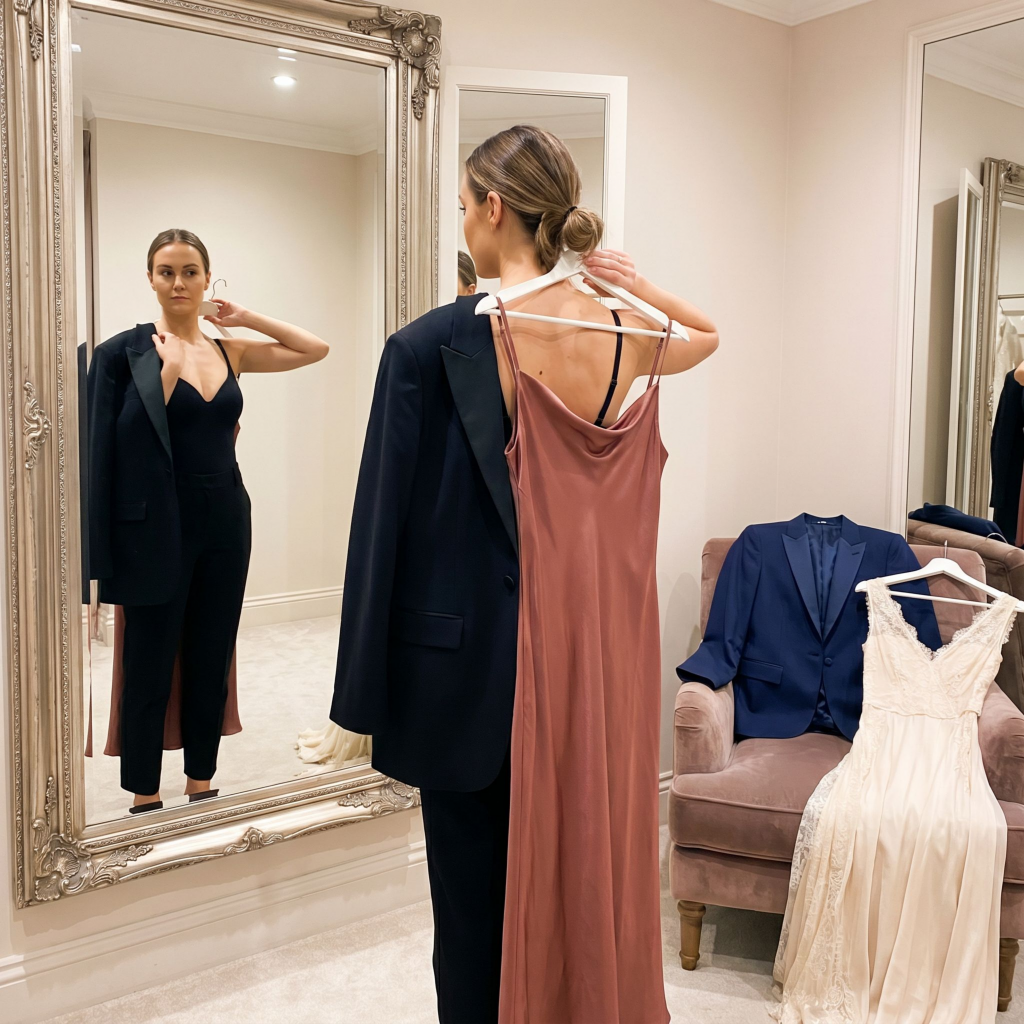
If silhouette is the sentence, color is the tone of voice.
Black can feel sensual, guarded, sleek, or severe. White can feel clear, fresh, expensive, or dangerously optimistic around coffee. Red is not exactly subtle, and that is why people love it. Soft neutrals can signal calm and control, while brighter color can feel emotionally open, playful, or impossible to ignore. In current 2026 fashion coverage, that return to expressive dressing is part of why personality-driven wardrobes are landing so hard, because people seem increasingly interested in wearing pieces that feel emotionally specific instead of visually generic. (Who What Wear)
That does not mean every color has one official psychological meaning stamped on it by the fashion police. It just means color is one of the fastest ways identity shows up in an outfit. You are often saying something before you even realize you said it.
Fashion also reflects who you are becoming
This part matters too, because identity is not frozen. Sometimes what you wear reflects who you already are. Sometimes it reflects who you are trying to grow into.
That idea overlaps with the broader fashion-psychology conversation about symbolic meaning in clothing. The social psychology review on dress makes the case that what people wear becomes part of how others understand them, while the Harvard research points to clothing choices as more psychologically revealing than people often assume. (PMC)
So yes, that sharp coat you keep reaching for before important meetings might be helping you step into a more self-possessed version of yourself. The softer dresses, the darker lipstick, the cleaner denim, the louder jewelry, the polished flats, the more grown-up bag, all of that can be part of identity in motion. Style is not always a mirror. Sometimes it is a forecast.
This is why copying someone else’s aesthetic can feel hollow
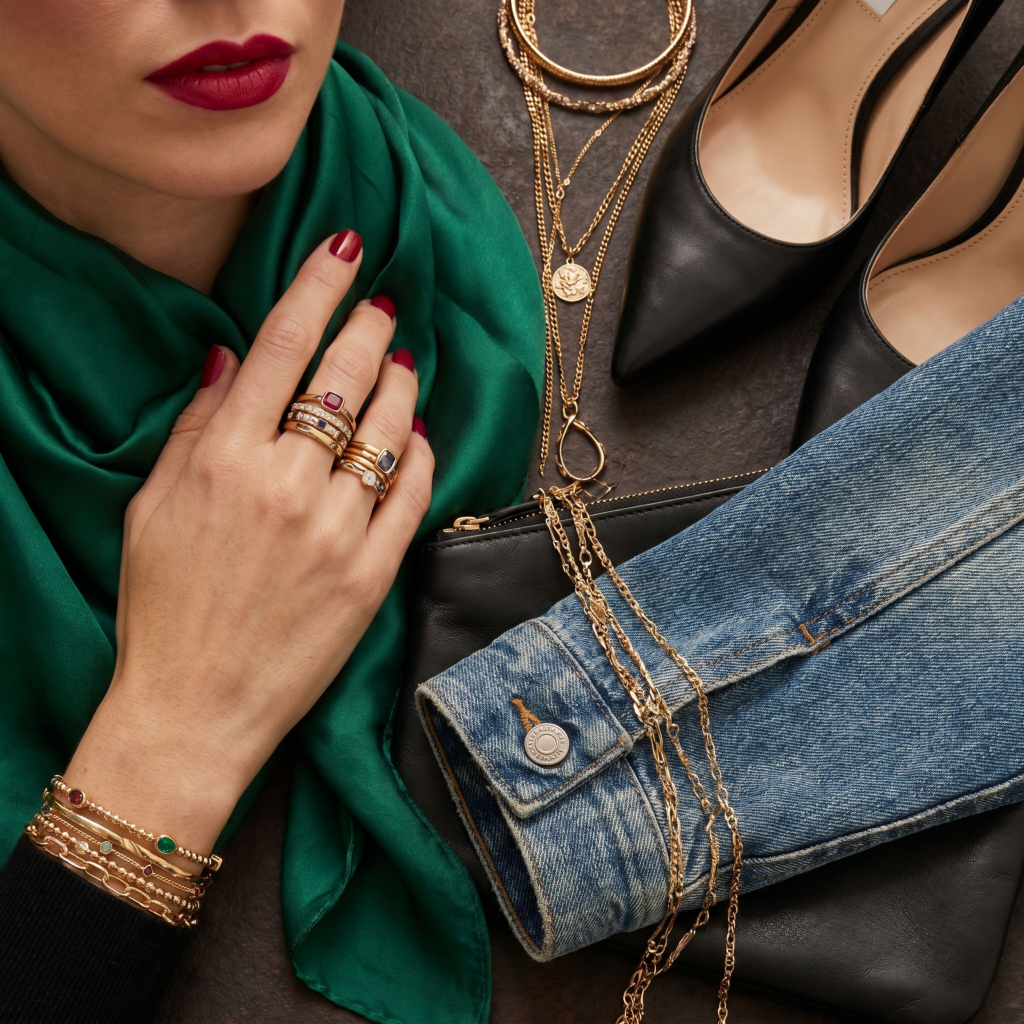
You can admire someone else’s style all day long, but if it has nothing to do with your personality, your habits, your body language, your comfort level, or your actual life, it tends to fall flat. That is probably one reason fashion coverage in 2026 feels so interested in personality again. The mood right now is less about fitting yourself into a fully packaged aesthetic and more about adapting ideas into something that feels real. Who What Wear’s recent coverage of personality-driven dressing makes that argument pretty directly, and Vogue’s broader 2026 style coverage supports the same shift toward interpretation over strict imitation. (Who What Wear)
And thank God for that, because the best outfits are not the ones that make you look like everybody else’s saved folder. They are the ones that make you look unusually, convincingly, and almost unfairly like yourself.
Wrapping it up in Style
Fashion reflects identity because identity does not live quietly inside your head. It shows up in your textures, your colors, your shapes, your confidence, your need for softness, your love of drama, your craving for ease, and the exact version of yourself you feel like being that day.
That is why clothes can feel so personal. They are not just decoration. They are communication. They tell the world something, sure, but more importantly, they tell you something. They remind you who you are, what mood you are in, what energy you want to carry, and sometimes who you are still becoming.
So wear the pieces that feel honest. Wear the ones that make sense with your real life and your inner life. Wear the jacket that makes you feel powerful, the denim that makes you feel free, the dress that makes you feel seen, the color that feels like oxygen. Because when fashion really works, it does not disguise you. It reveals you.
xoxo 💋✨
Aria 🖤🌸👠