
Hey, trend trackers. Let’s clear up one of fashion’s sneakiest little confusions, because a lot of people read a trend report, expect it to function like a style guide, and then end up annoyed, underdressed, overdressed, or staring at their closet like it personally betrayed them. (Video Summary)
And honestly, I get it. Fashion media throws a lot at us. One article tells you spring 2026 is about individuality, expressive dressing, and personality-driven looks. Another tells you exactly how to make your basics feel fresh with layering tricks, belts, brooches, pendant necklaces, or high-vamp flats. Even InStyle’s fashion vertical splits things between trend coverage, outfit ideas, and style tips, which kind of proves the point right there, these are related lanes, but they are not the same lane.
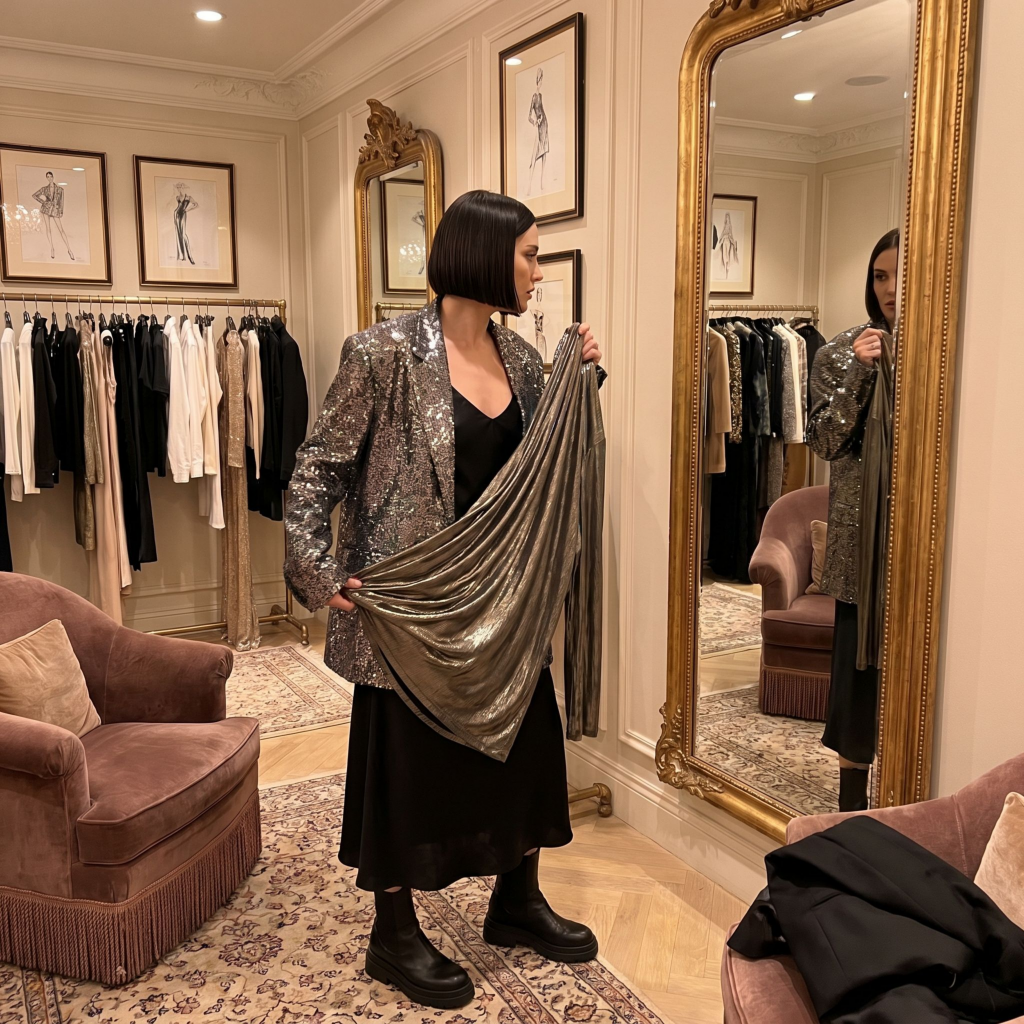
A trend report is the big picture
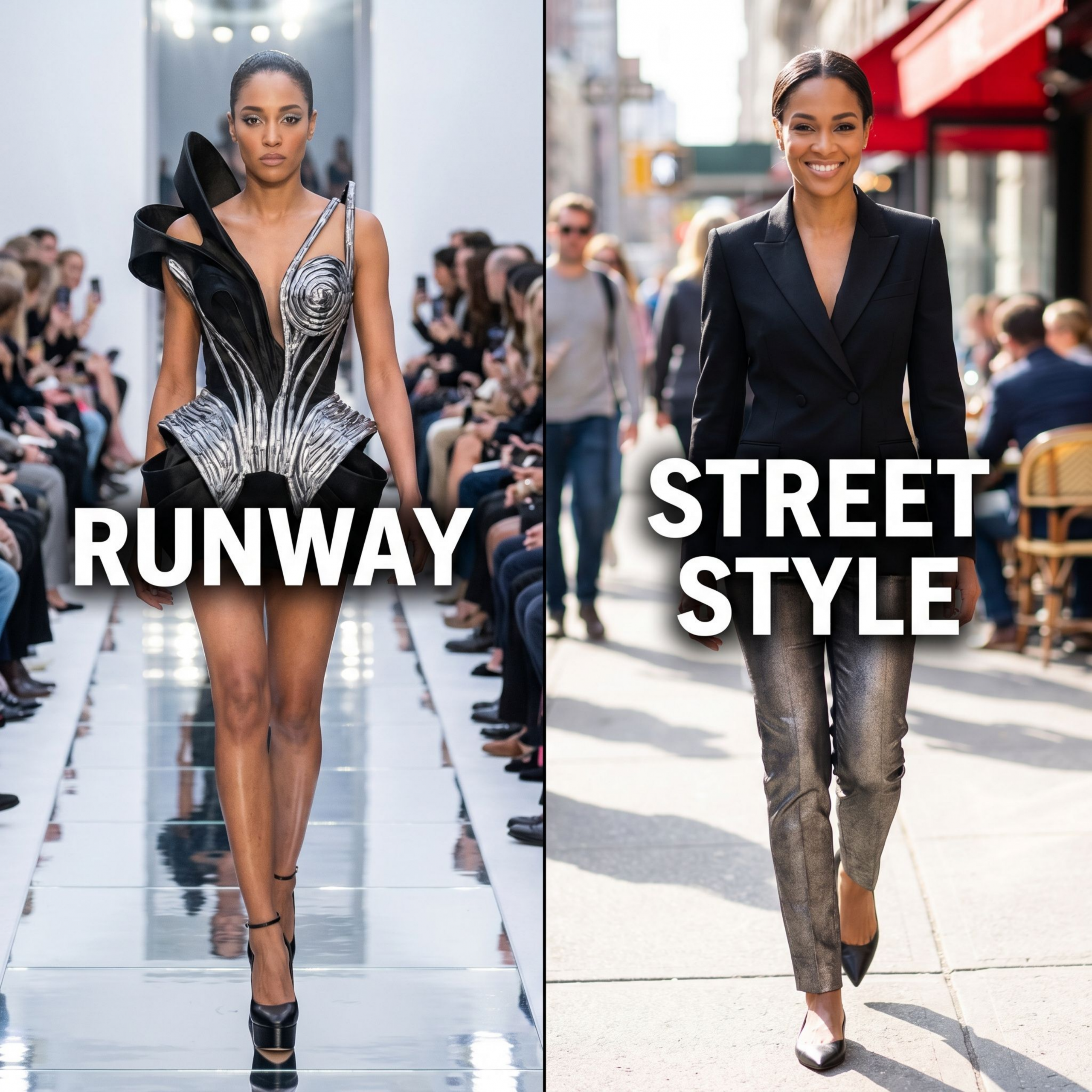
A trend report is fashion doing its zoomed-out thing. It is about what is bubbling up, what the runways are pushing, what editors are noticing, what silhouettes, colors, fabrics, or moods are starting to dominate the conversation. It is not really asking, “What should you wear to brunch next Saturday?” It is asking, “What direction is fashion moving in right now?”
That is why trend reports can feel exciting but also mildly useless if you are standing in front of a real closet with a real budget and a real life. They are supposed to identify movement, not solve your outfit. They spot the shift. They clock the vibe. They tell you what is coming.
So when you read that fashion is leaning more expressive, more tactile, more personality-driven, that is a trend report doing exactly what it is supposed to do. It is naming the weather, not handing you an umbrella.
A style guide is where the fantasy gets translated
A style guide is the part that says, “Okay, gorgeous, now let’s make this wearable.”
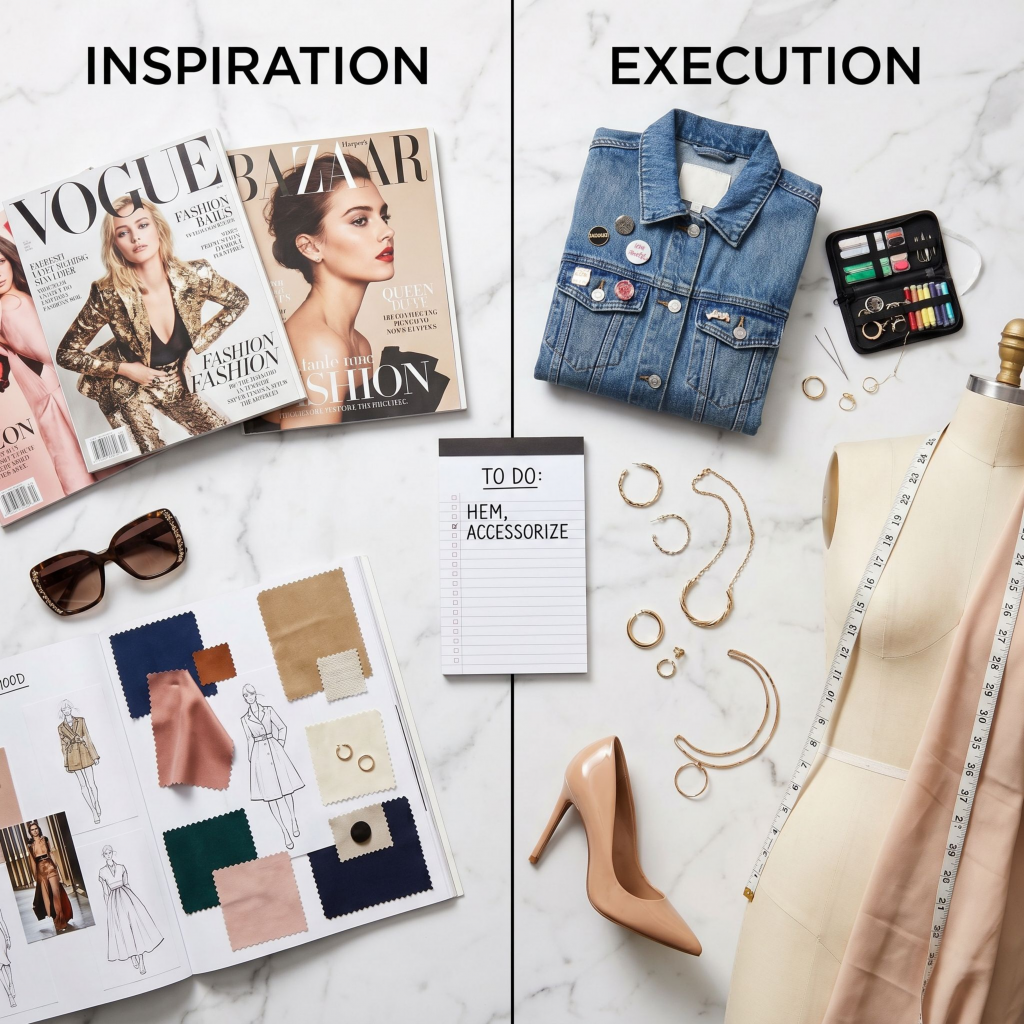
This is where fashion stops floating above your life and starts actually helping you get dressed. A style guide takes the trend and translates it into proportion, outfit formulas, layering choices, shoe pairings, styling tricks, and real-world combinations. It answers the questions trend reports leave hanging.
Like, maybe a trend report tells you sporty dressing, cropped outerwear, or expressive layering is having a moment. Cute. Good to know. But a style guide says, wear the cropped jacket over the button-down, add the scarf, choose the high-vamp flat, belt the skirt, layer the tanks, or throw a pendant over the tee. That is the difference. One observes. The other interprets. One spots the trend. The other saves your outfit. Who What Wear’s spring 2026 basics piece is basically a perfect example of that second mode, it turns broad runway energy into specific, wearable moves.
Why people mix them up
Because fashion people love acting like these two things are interchangeable, and they absolutely are not.
A trend report can inspire you. A style guide can dress you. A trend report might explain why everyone suddenly cares about utility dressing, playful sets, cropped jackets, or layered button-downs. A style guide tells you how to try those ideas without looking like you got dressed in a panic during a power outage.
And if we are being honest, most people do not actually need more trend information. They need translation. They need editing. They need somebody to say, “You do not need to wear the whole runway. Just borrow the part that works.”
That is why style guides usually feel more personal. They meet you where you are. They ask what works with your shape, your mood, your schedule, your comfort level, your actual shoes, and your non-imaginary life.
Trend reports are for awareness, style guides are for action

This is the cleanest way to think about it.
A trend report helps you understand what is happening in fashion. A style guide helps you decide what to do with that information. The first one gives you context. The second one gives you choices.
And that matters, because not every trend deserves full custody of your wardrobe. Some trends are nice to know about and never touch. Some are worth borrowing in tiny doses. Some are perfect for accessories, not full outfits. Some sound amazing on paper and then absolutely collapse in the dressing room.
Style guides are what keep fashion from becoming a weird little costume contest. They help you filter. They let you ask better questions. Not “Is this in?” but “Does this work on me?” Not “Are people wearing this?” but “Would I actually wear this twice a month without resentment?”
The smartest fashion blogs do both
And this is where a blog like Aria’s can actually be useful instead of just noisy.
Because the best fashion writing does not stop at “Here are the trends.” It keeps going. It explains what matters, what is worth trying, what is worth skipping, and how to make a fashion idea feel like you instead of like some borrowed aesthetic having a nervous breakdown in your closet.
Trend reports make you aware. Style guides make you capable. You need both, but not in equal doses. Most of us can survive without knowing every microtrend by Tuesday morning. What we actually need is help making fashion feel less intimidating, less random, and a lot more wearable.
Wrapping it up in Style
So here is the difference in one clean sentence. A trend report tells you what fashion is doing. A style guide tells you what you can do with it.
That is why one can leave you inspired but confused, while the other can take the exact same trend and make it feel easy, personal, and suddenly very worth trying. One spots the shift. The other handles the outfit crisis.
And honestly, that is the kind of fashion help I trust most. Not the kind that just points at the runway and gasps. The kind that looks at the runway, looks at your closet, and says, “Relax, here is how we make this work.”
xoxo 💋✨
Aria 🖤👠📰